Asolidpolymerthatdoes
thejobofaliquid.
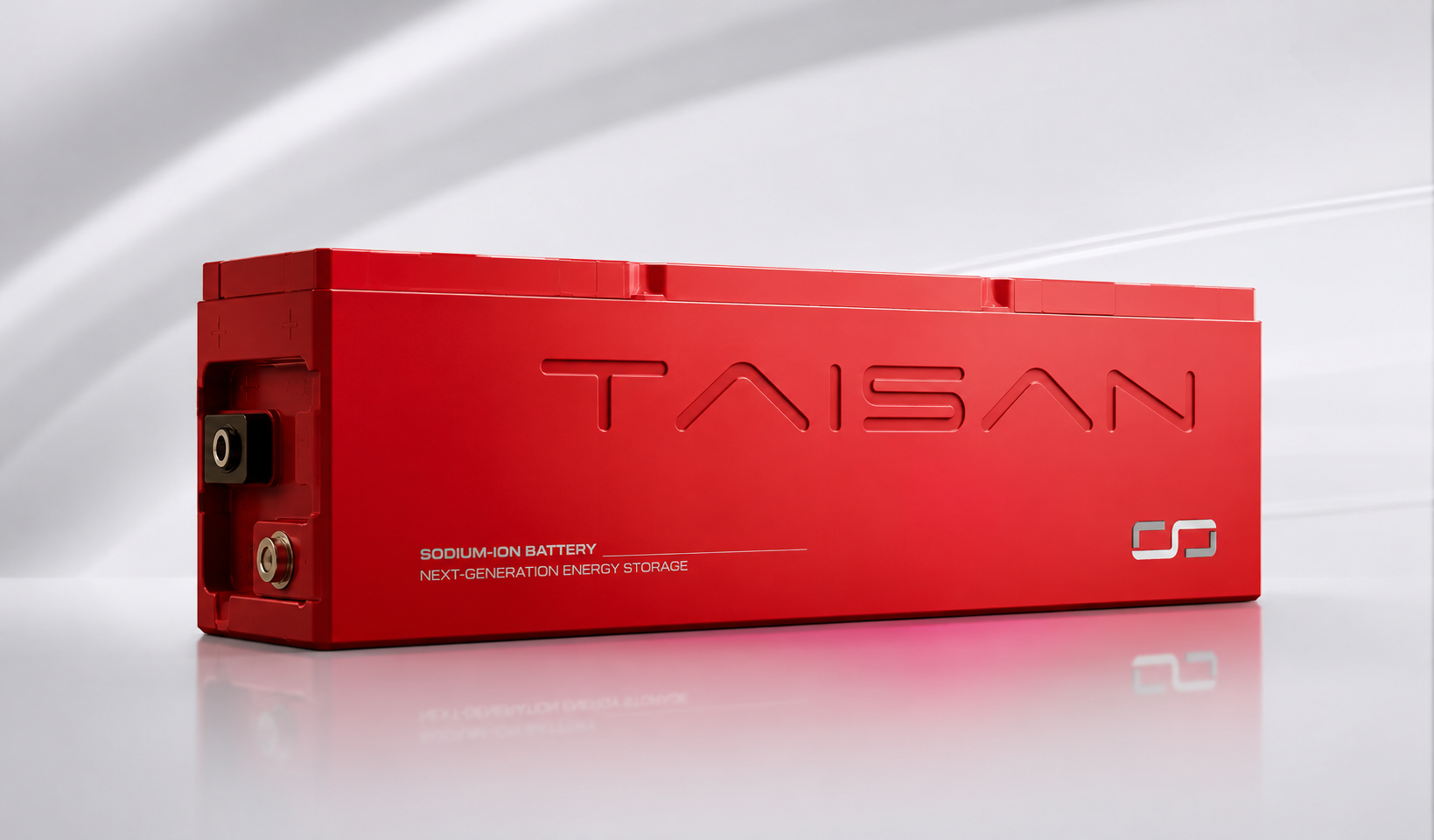
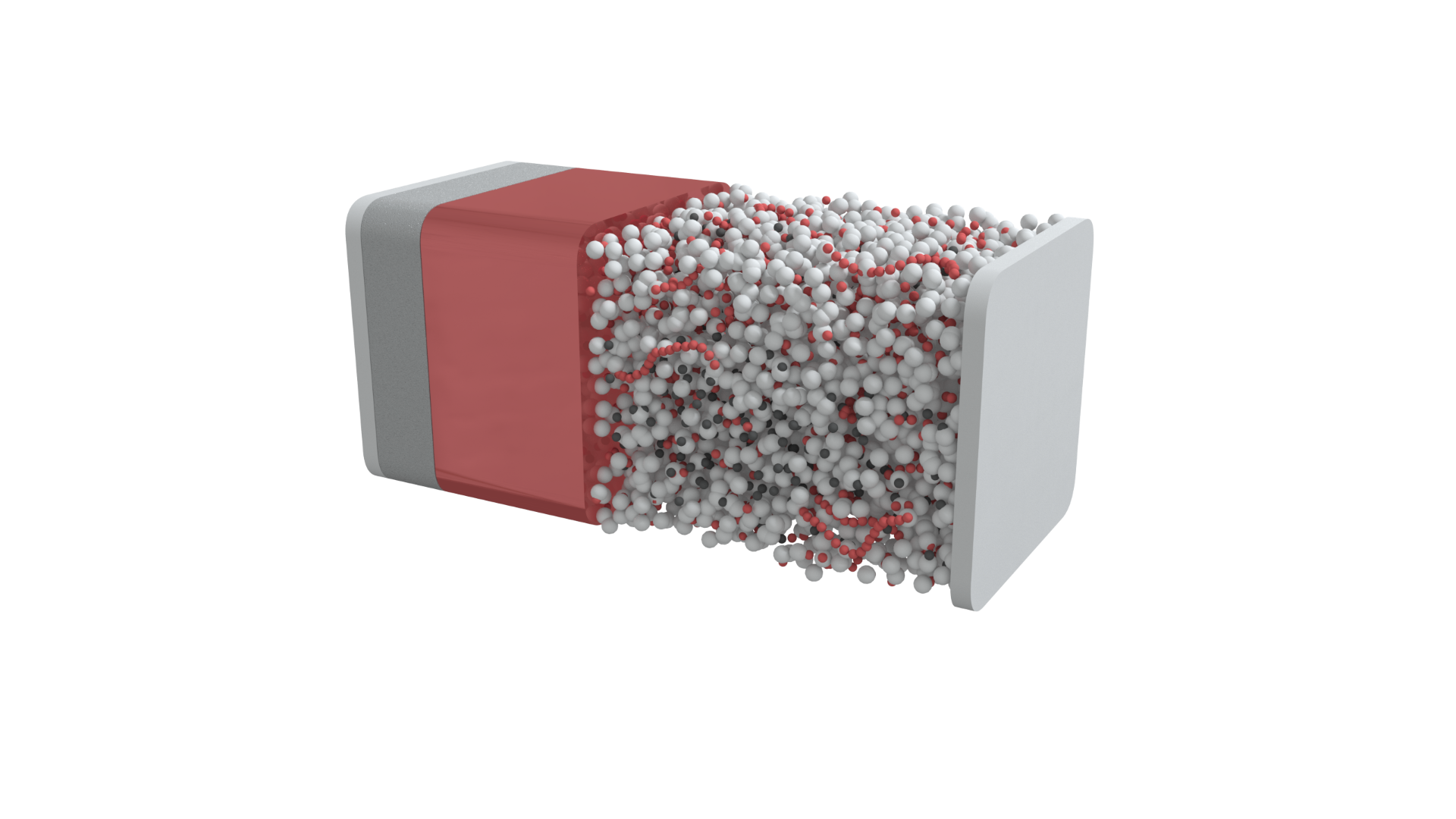
Our proprietary polymer electrolyte replaces the flammable liquid at the heart of every conventional battery. The result is a sodium cell that’s lighter, more compact, and safe by chemistry — not by packaging.
Pack-level weight reduction vs. comparable Li-ion.
Volumetric gain from removing the liquid electrolyte.
No flammable solvent. Stable −40 °C to +80 °C.
Two steps from precursor to a safer cell.
Prepare proprietary precursor
Our chemists formulate a proprietary polymer-electrolyte precursor tuned for fast sodium-ion transport, wide-temperature stability and long calendar life.
Solidify inside the cell
The precursor is introduced into the assembled sodium cell and solidified in situ via our patent-pending process — bonding intimately to every electrode interface for high conductivity and a non-flammable, quasi-solid architecture.
Six properties of one membrane.
Inherently safe
No flammable solvent, no thermal runaway pathway. Tested through nail-penetration, short-circuit and oven abuse without ignition.
Higher density
A quasi-solid film replaces the liquid and separator. Stacks are denser, packs are smaller — up to 25% more compact for the same energy.
Lighter packs
30% less weight at the pack level. A 0.5 kWh e-bike pack drops from 3.2 kg to ~2.2 kg — felt on every ride.
Wider temperature window
Operates from −40 °C to +80 °C with no heating or cooling hardware. Fewer auxiliary components, lower pack BOM.
Drop-in form factor
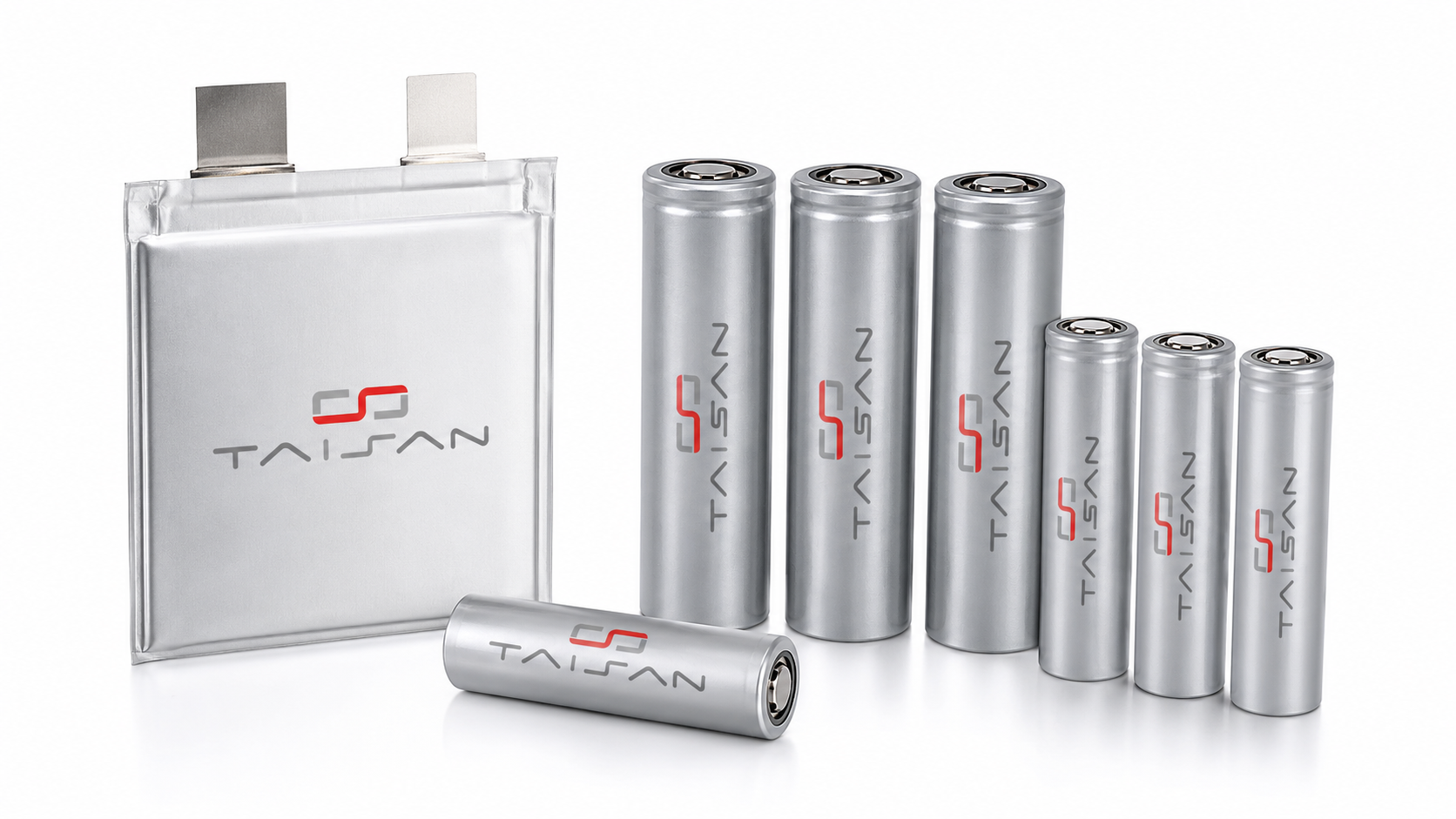
Standard pouch formats with 36 V/48 V architectures — no chassis change required for fleet operators.
Earth-abundant chemistry
Sodium-based, lithium- and cobalt-free. Domestic supply, predictable cost, recyclable by design.
The numbers, on one page.
From cell to pack.
Engineered as one.
The same quasi-solid chemistry scales into our battery packs — lighter, more compact and inherently safer modules ready to drop into your platform. See the full product lineup.