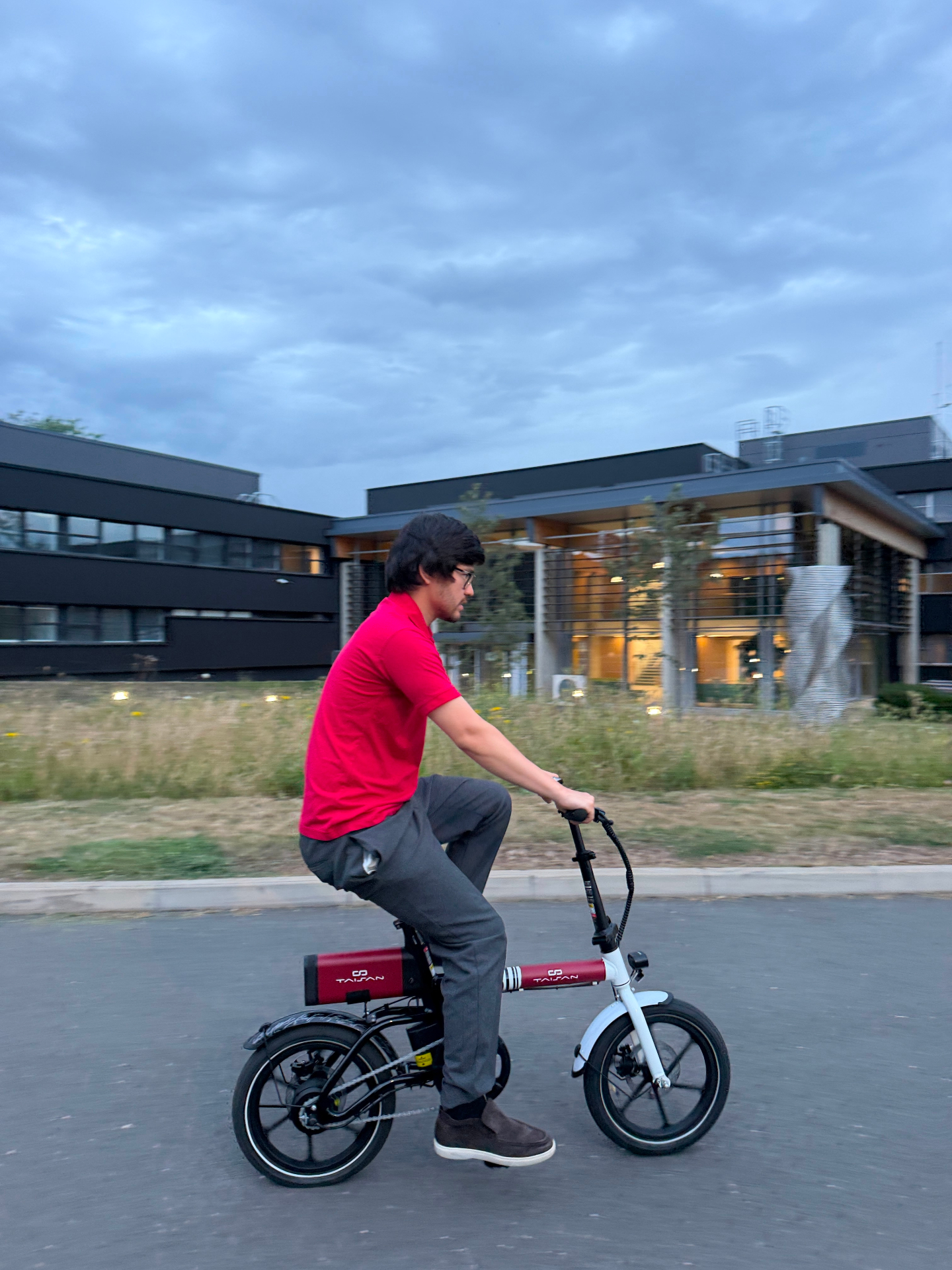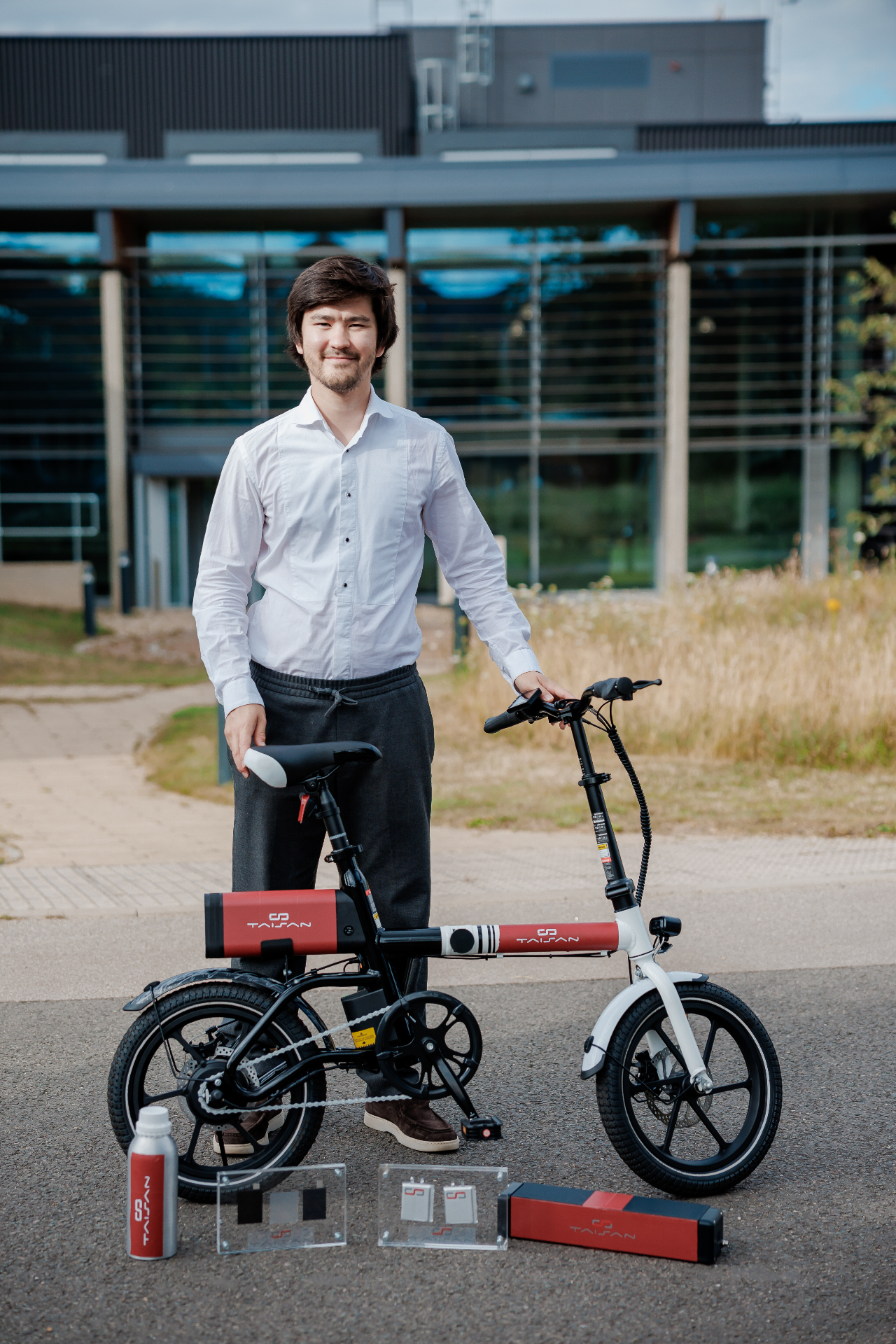
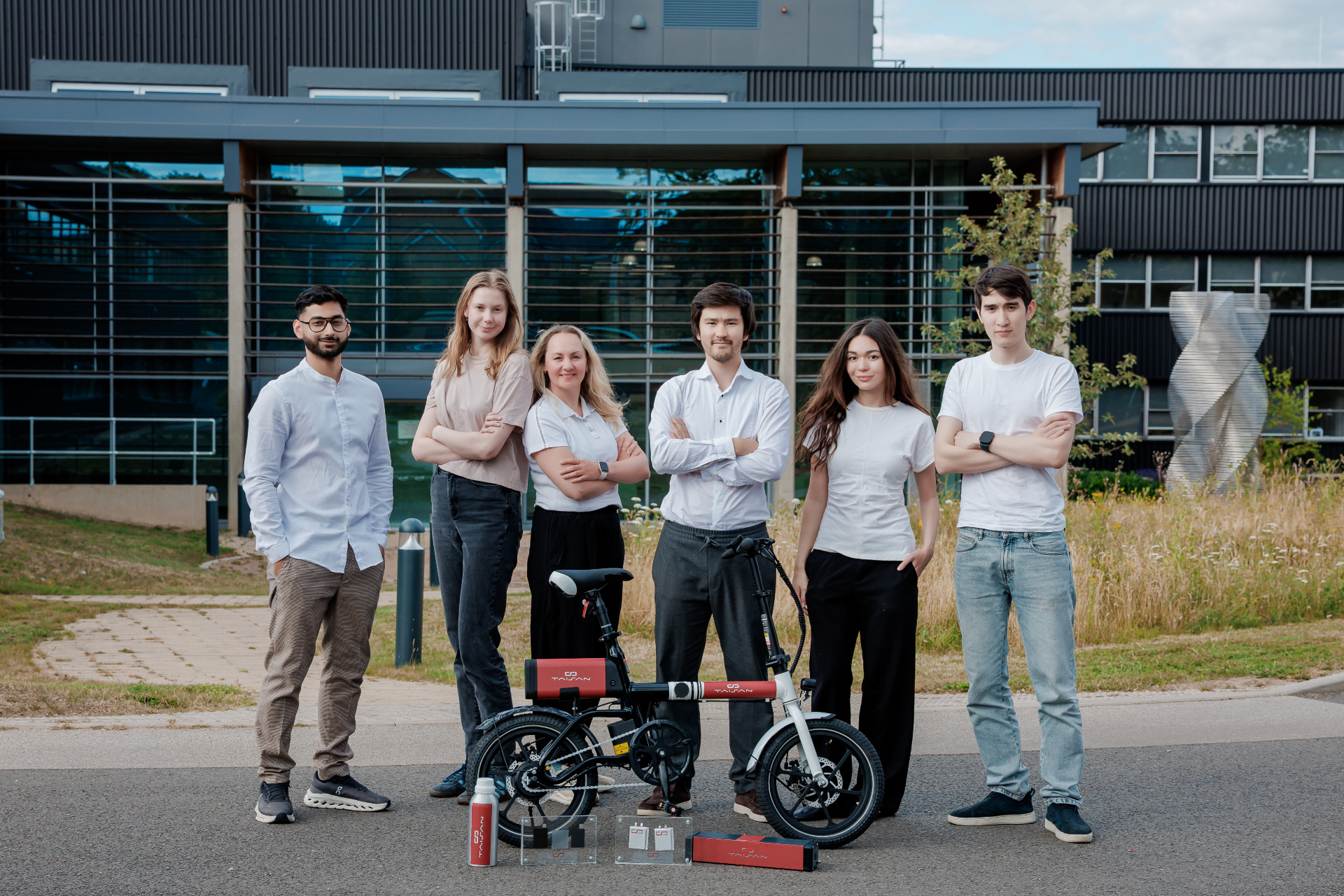
TaiSan — a UK company whose technology could unlock the use of sodium-ion batteries for mass market applications such as electric bikes, scooters, vehicles and power tools — has raised £4.65M.
The round was co-led by Eos Advisory, and the Midlands Engine Investment Fund II through fund manager Mercia Ventures, with participation from AFI Ventures, EverQuest Capital Partners, Adeline Arts & Science, Techmind, angel François Badelon, and existing investors InnoEnergy, TSP Ventures, Exergon, and Heartfelt. Of the total raised, £700,000 came from Innovate UK, which provided grant funding through its Investor Partnerships Programme to match fund part of the private investment.
The funding will enable TaiSan to advance its technology and begin pilot tests with leading manufacturers. The company has signed a number of letters of intent with prospective customers, demonstrating strong market interest.
With concerns about the cost and scarcity of lithium used in conventional batteries, sodium — one of the most abundant elements on Earth — offers an alternative. However, until now sodium-ion batteries have been large and heavy, limiting their use mainly to stationary energy storage.
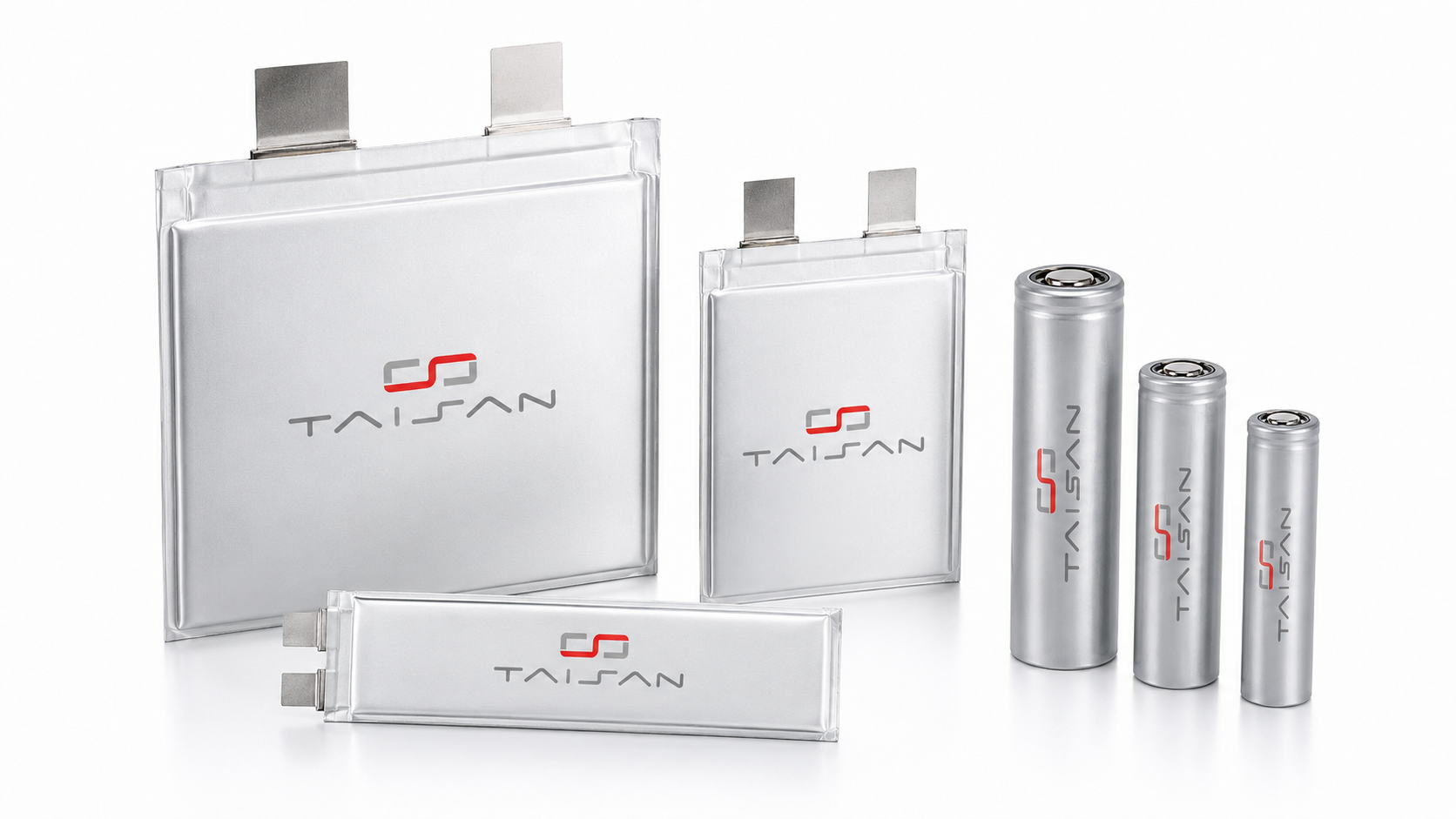
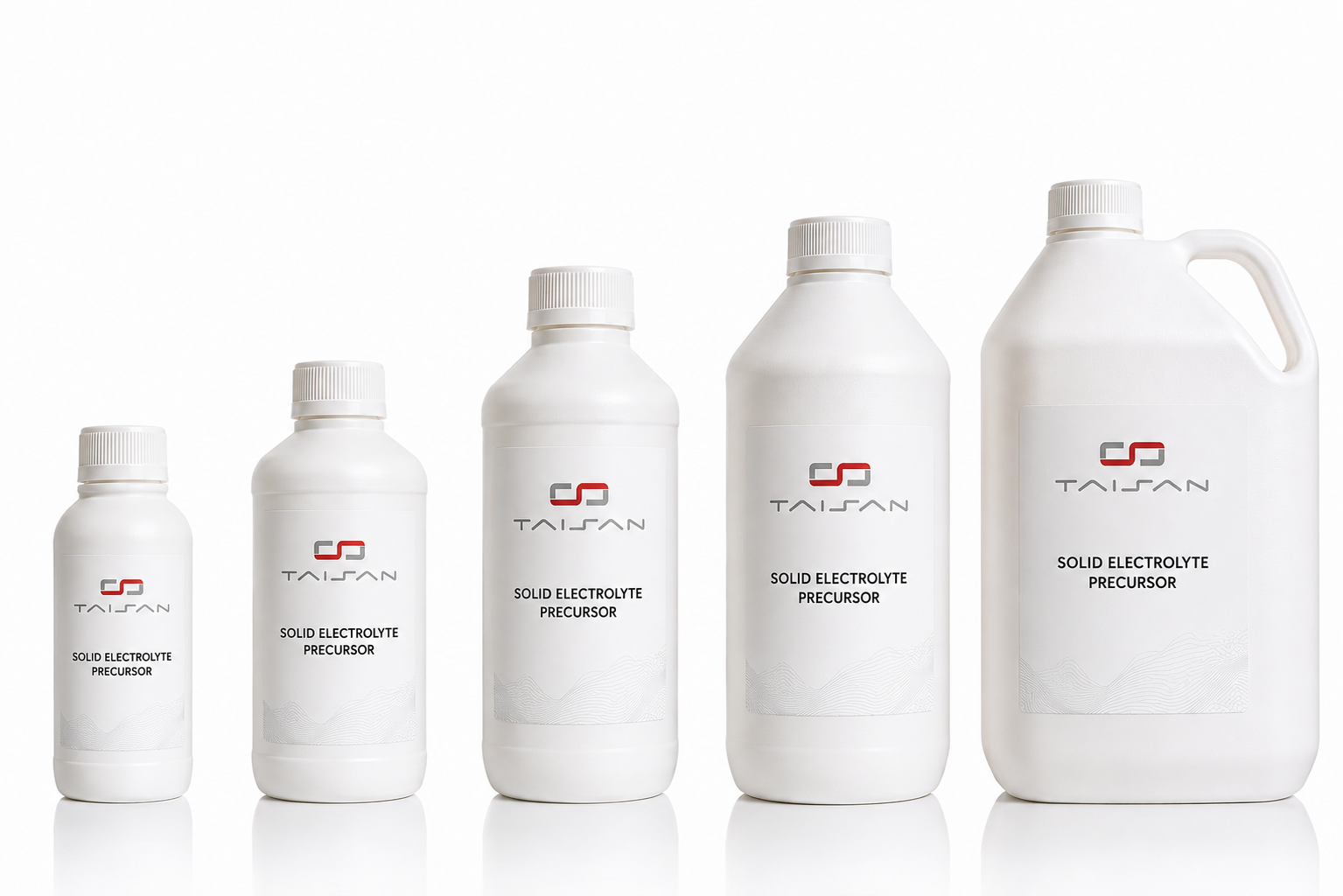
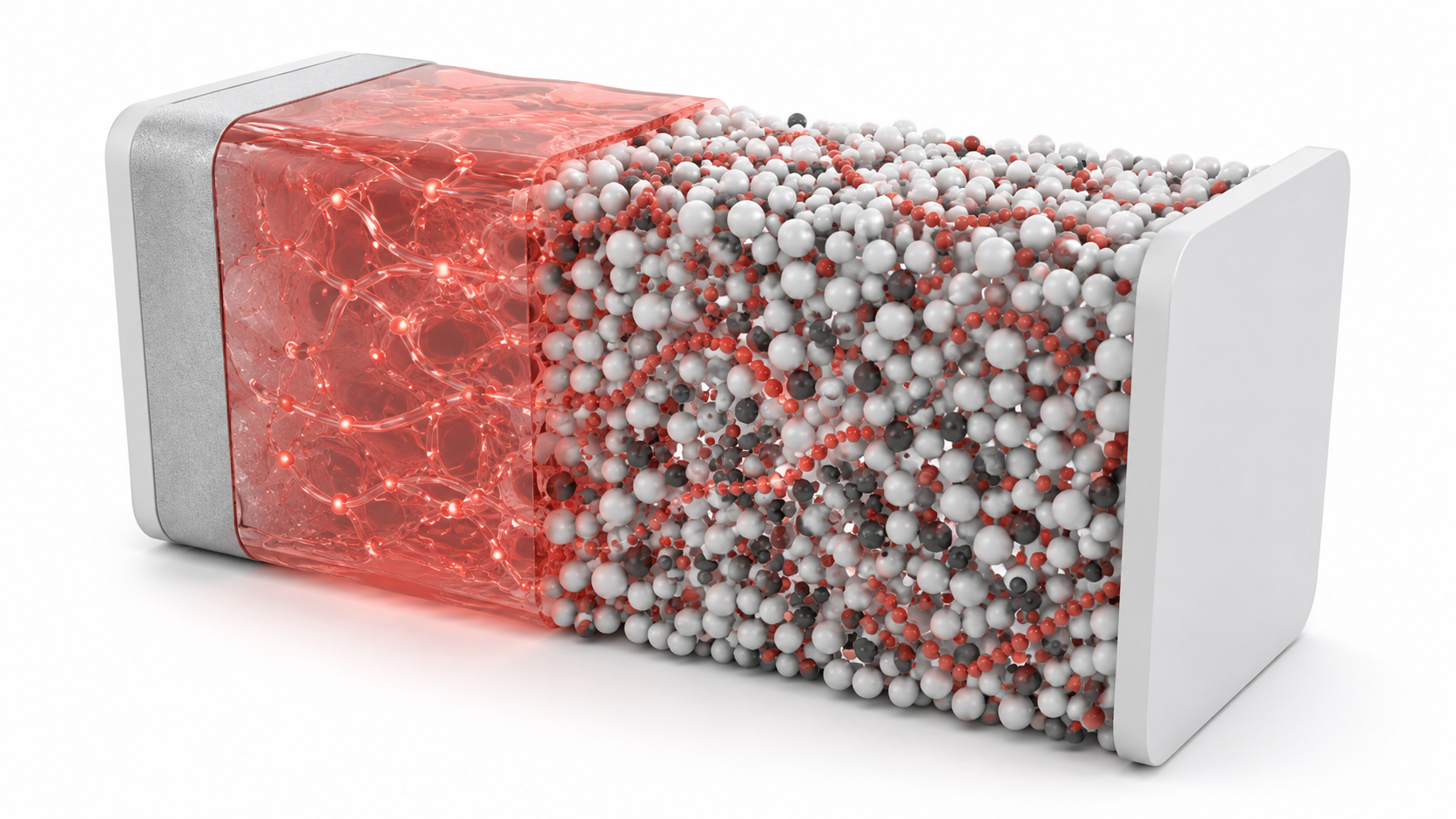
TaiSan's technology delivers batteries that are lighter and more compact than existing sodium-ion and lithium-ion alternatives, making them suitable for a much broader range of applications. Designed for long service life, the batteries use TaiSan's proprietary solid-state electrolyte, which is safer than conventional flammable liquid electrolytes.
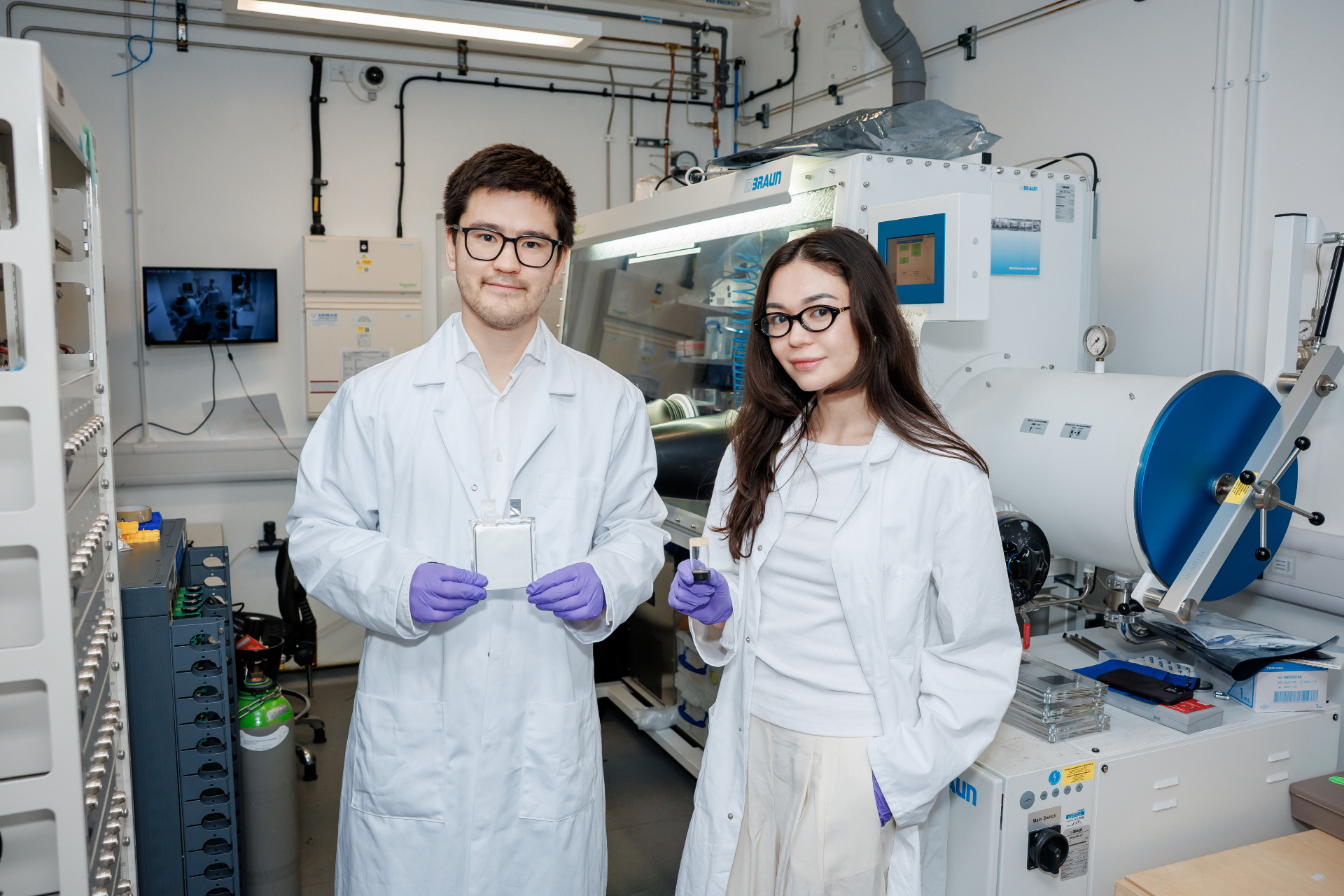
TaiSan was founded by Sanzhar Taizhan, a former research electrochemist at Jaguar Land Rover and The Faraday Institution. Born in Kazakhstan, where he was a local chess champion, Sanzhar moved to the UK at the age of 18 to study engineering. During his studies he founded and led a team that in three successive years reached the finals of the international Hyperloop competition organised by SpaceX and The Boring Company — a first for an England-based team.
TaiSan has secured multiple innovation grants and raised £1.3M in pre-seed funding to date. The company is positioned to scale rapidly through a capital-efficient business model. Following the latest funding round, the company plans to expand its existing Cambridge laboratory and establish operations in Coventry.